
Project Experience
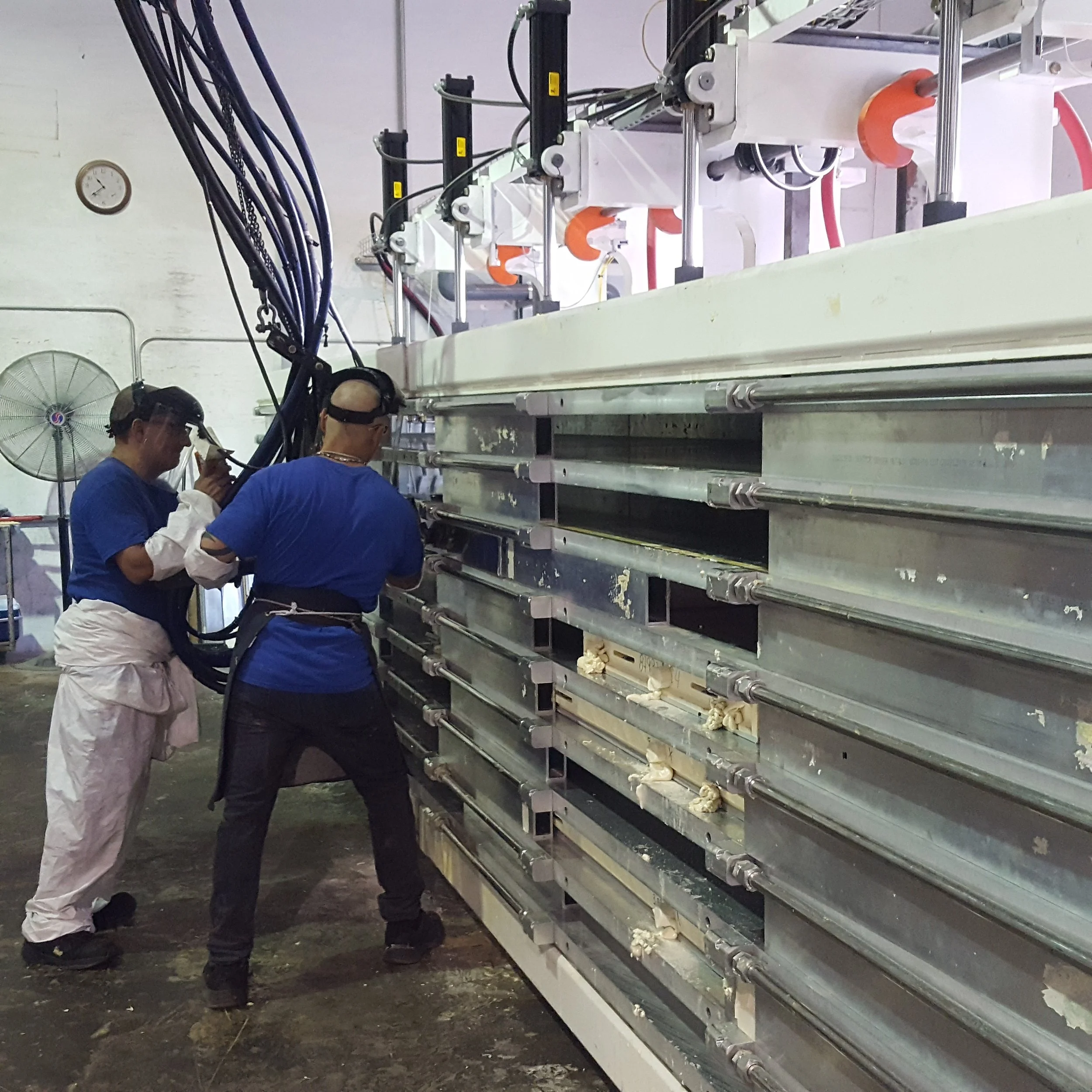
Scenario 1: Prototype Equipment Under Schedule Pressure
Context
A PE-owned walk-in cooler and freezer manufacturer required development and installation of a new foam-in-place (FIP) press to support production expansion. The project involved prototype equipment with no prior build reference.
Core Challenges
Engineering and fabrication occurring concurrently
Aggressive delivery schedule driven by production needs
Limited internal millwright resources
Uncertain supply chain availability and lead times
Role & Technical Ownership
Mike served as the technical owner responsible for translating evolving requirements into executable engineering and coordinated execution.
Responsibilities included:
Procurement strategy and vendor coordination
Oversight of fabrication and assembly
Installation leadership and on-site execution support
Outcome
The assembly cell was delivered and integrated into production with minimal disruption. Maintaining a single technical owner allowed evolving requirements to be addressed without compromising schedule or budget discipline.
Context
Core Challenges
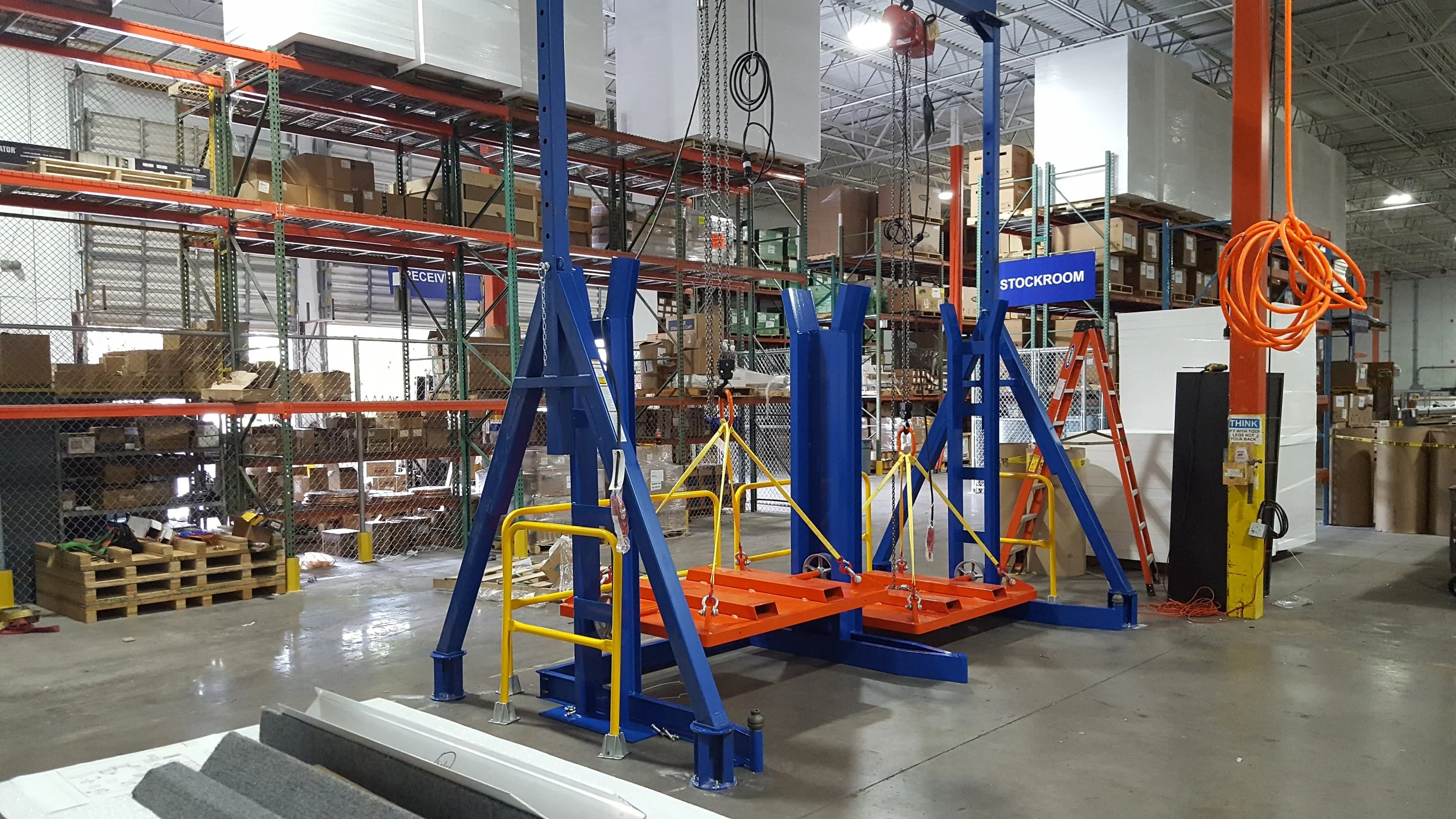
Scenario 2: Process Cell Development with Evolving Requirements
A PE-owned manufacturer required development of a custom noise abatement barrier and panel assembly cell within an active production environment, while product specifications and throughput requirements continued to evolve.
Short timeline and tight budget constraints
Changing product specifications
Supply chain disruptions
Simultaneous equipment and process development
Role & Technical Ownership
IPM provided end-to-end technical ownership across equipment design and process integration.
Responsibilities included:
Custom equipment mechanical design
Vendor management and procurement
Coordination of fabrication and assembly
Installation and startup support
Technical input to overall process development
Outcome
The assembly cell was delivered and integrated into production with minimal disruption. Maintaining a single technical owner allowed evolving requirements to be addressed without compromising schedule or budget discipline.
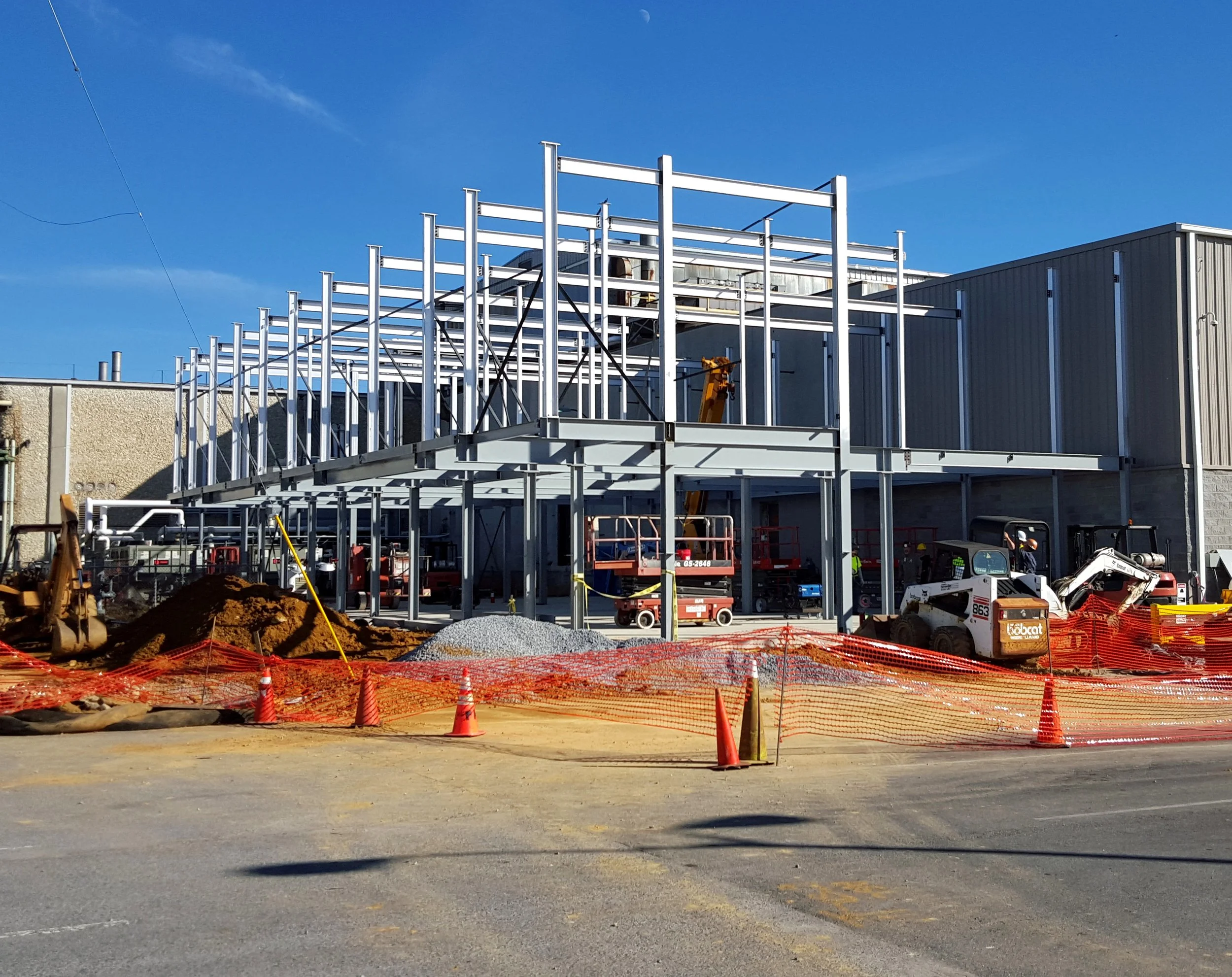
Scenario 3: OEM Equipment Delivery with High Customer Visibility
Context
A coating equipment OEM was responsible for delivering and installing a large outdoor cure oven system for a high-profile industrial end user. At the time, Mike was part of the OEM’s engineering organization supporting a customer-facing capital project.
Core Challenges
No formal project management structure for large installations
Mechanical scope beyond internal engineering norms
Multiple third-party vendors (structural, controls, construction)
Aggressive schedule and demanding customer expectations
Weather-related delays during outdoor installation
Role & Technical Ownership
Mike served as the mechanical engineering lead and de facto project manager, acting as the primary technical owner across engineering, vendors, and field execution.
Responsibilities included:
Mechanical engineering leadership and design coordination
Managing third-party vendors and subcontractors
Acting as technical liaison between OEM and end user
On-site leadership during installation and commissioning
Outcome
The system was successfully built, installed, and commissioned despite elevated complexity and schedule pressure. Clear technical ownership stabilized execution and supported successful delivery on a high-visibility project.
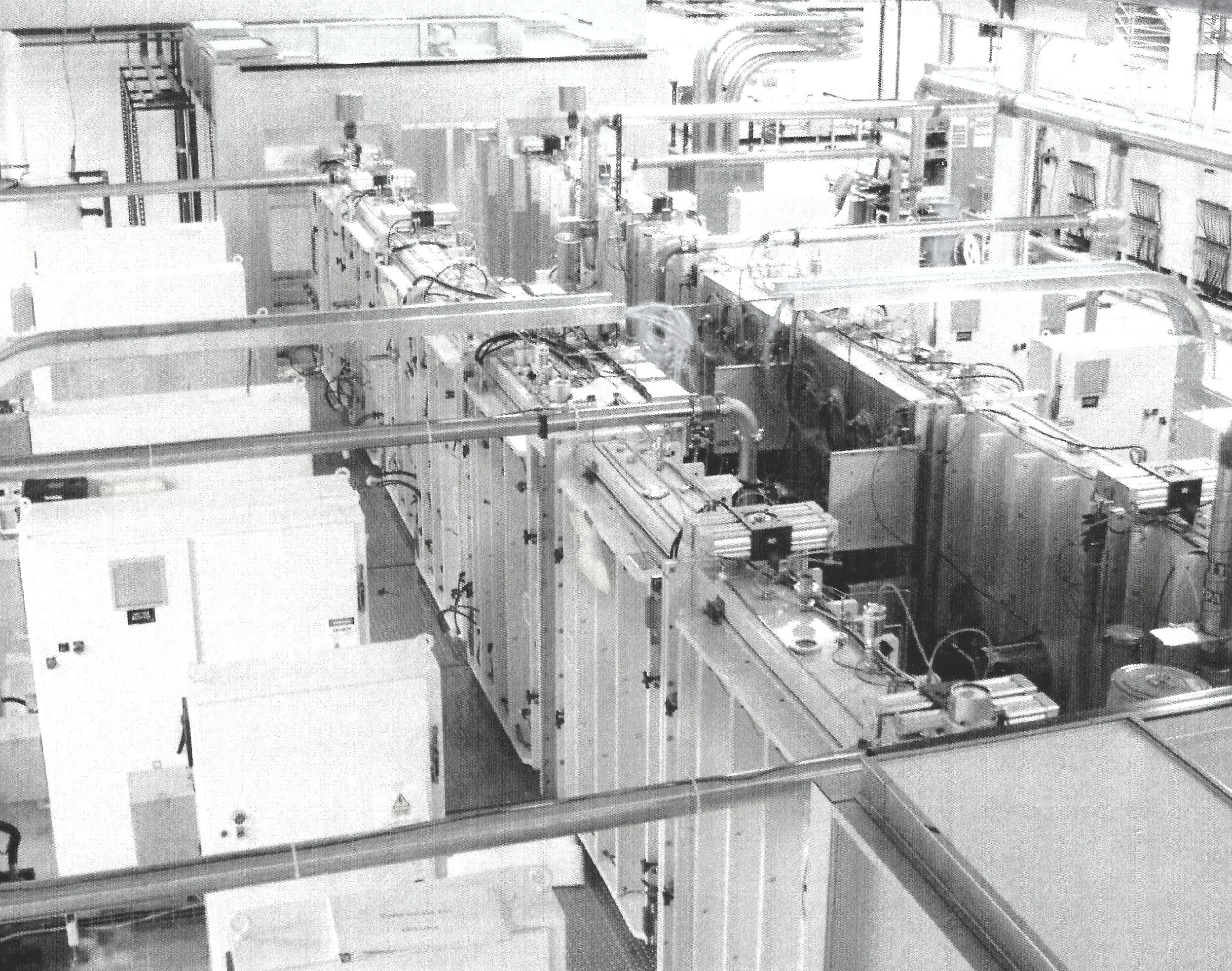
Scenario 4: Manufacturing Line Scale -Up, Relocation and Decommissioning
Context
A photovoltaic panel manufacturing startup required leadership across multiple phases of manufacturing system development — including equipment fabrication, plant decommissioning, relocation, and installation of new thin-film coating lines.
Core Challenges
Uncertain timelines and funding conditions
Demoralized workforce during transitions
Stringent environmental and EH&S requirements
Corporate facilities, Lean, and compliance oversight
Maintaining operational capability during transition
Underestimated facility infrastructure requirements
Role & Technical Ownership
Across multiple roles, Mike provided production, operations, and technical project leadership spanning planning through execution.
Responsibilities included:
Leadership of equipment assembly for R&D and pilot manufacturing
Planning and execution of plant decommissioning activities
Vendor selection, budgeting, and scheduling for new installations
Utility and facility coordination
Alignment with corporate environmental, facilities, and operational standards
Outcome
Complex manufacturing systems were built, relocated, and installed while maintaining operational continuity and meeting corporate compliance requirements. The work demonstrated the importance of sustained technical ownership across long-horizon, multi-phase manufacturing initiatives.